
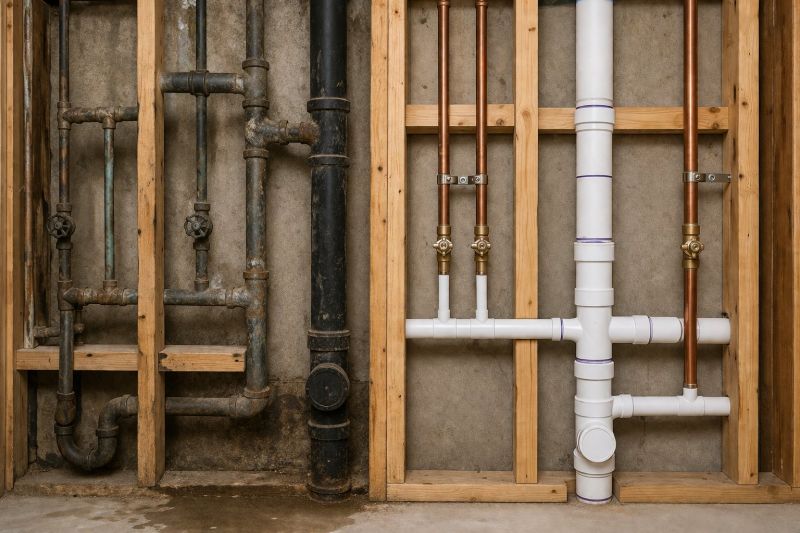
Piping Replacement in Denver, CO
Piping replacement services involve removing and installing new plumbing pipes to ensure proper water flow and prevent leaks within a property. These projects typically address aging or damaged pipes, upgrades to meet current building codes, or the installation of new plumbing systems for renovations or additions. Homeowners often request this service when experiencing low water pressure, frequent leaks, or signs of pipe corrosion, especially in older homes or areas with hard water that can accelerate pipe deterioration.
Before requesting piping replacement, property owners usually want to understand the scope of work involved, including the types of pipes suitable for their property and the areas that need attention. It’s also common to inquire about the potential disruptions during installation and the expected lifespan of the new piping system. Clarifying these details helps ensure the project aligns with the property’s needs and provides reliable, long-term plumbing performance.
Many property owners in Denver, CO look into Piping Replacement for repairs, replacements, upgrades, and appearance-related improvements.
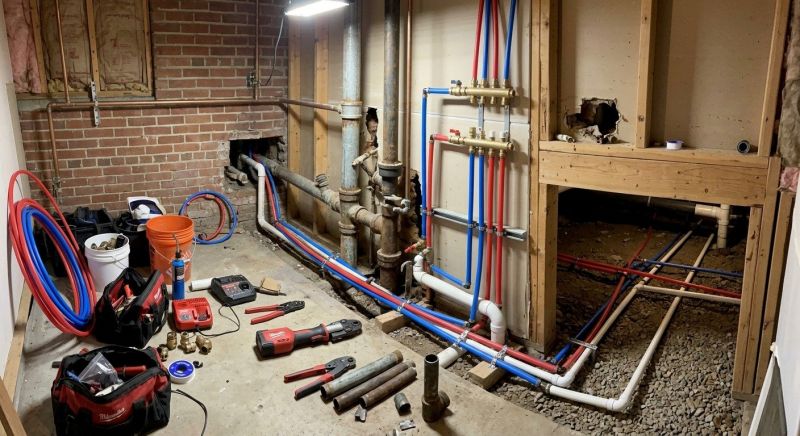
Signs You Need Piping Replacement
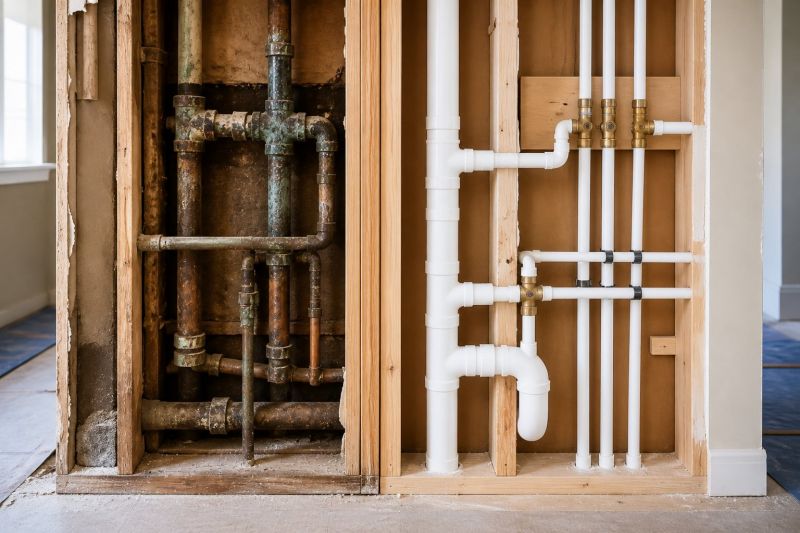
Older pipes or frequent leaks may indicate the need for replacement to prevent water damage.
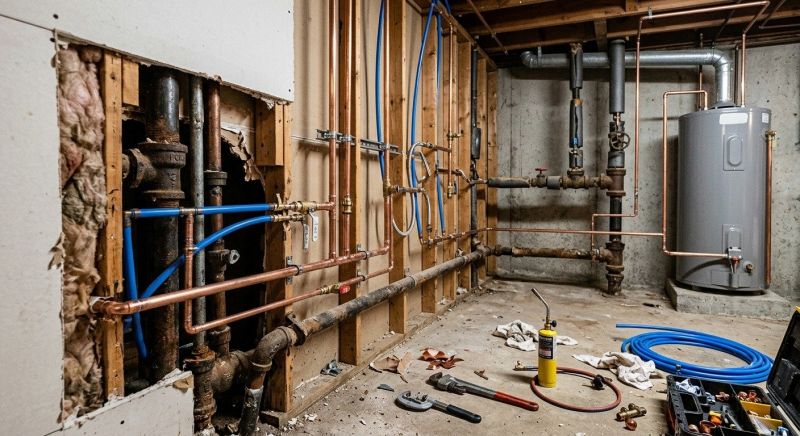
Types Of Piping Systems
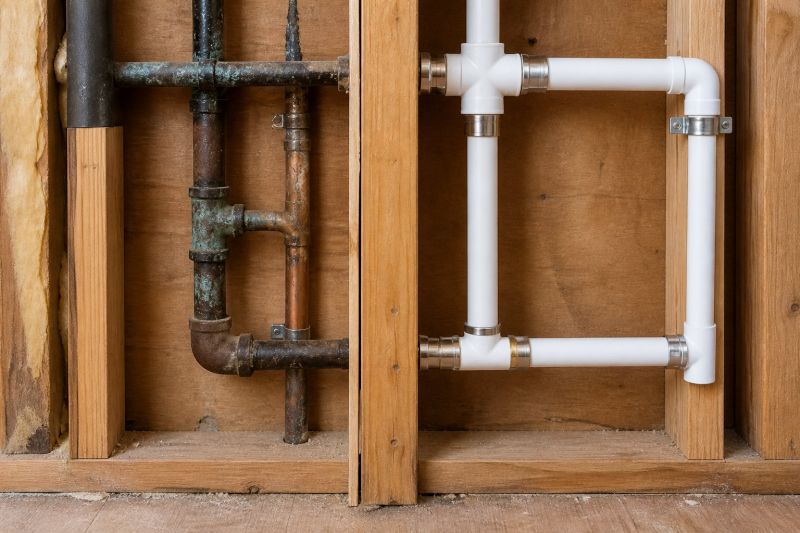
Different piping materials suit various property needs, ensuring reliable water flow throughout denver homes.
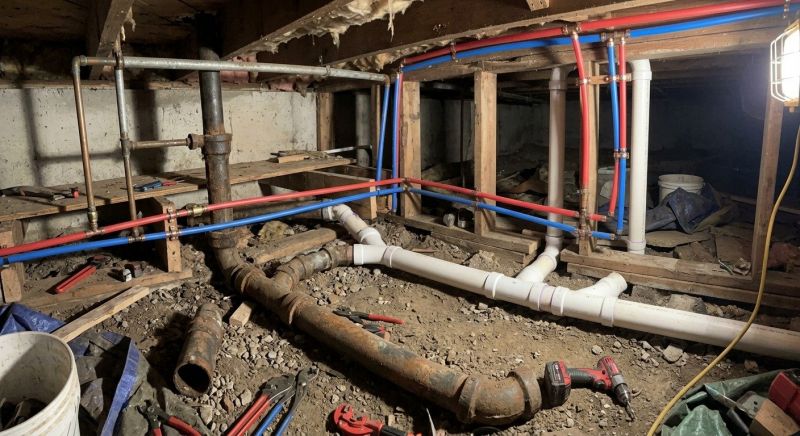
Benefits Of Piping Replacement
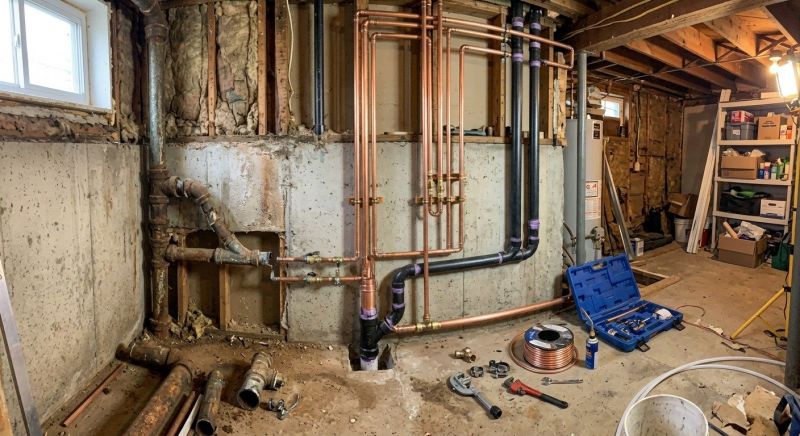
Upgrading pipes can improve water quality, increase efficiency, and reduce the risk of costly repairs.
Piping Replacement in Denver, CO

Piping replacement services involve removing and installing new plumbing pipes to ensure proper water flow and prevent leaks within a property. These projects typically address aging or damaged pipes, upgrades to meet current building codes, or the installation of new plumbing systems for renovations or additions. Homeowners often request this service when experiencing low water pressure, frequent leaks, or signs of pipe corrosion, especially in older homes or areas with hard water that can accelerate pipe deterioration.
Before requesting piping replacement, property owners usually want to understand the scope of work involved, including the types of pipes suitable for their property and the areas that need attention. It’s also common to inquire about the potential disruptions during installation and the expected lifespan of the new piping system. Clarifying these details helps ensure the project aligns with the property’s needs and provides reliable, long-term plumbing performance.
Many property owners in Denver, CO look into Piping Replacement for repairs, replacements, upgrades, and appearance-related improvements.
Common Piping Replacement Jobs
Residential pipe replacement - upgrades to outdated or damaged piping systems for improved reliability.
Leak repairs and pipe sealing - addressing leaks to prevent water damage and reduce utility costs.
Whole-house piping replacement - replacing all interior water supply lines for better flow and durability.
Drain and sewer pipe replacement - restoring proper drainage and preventing backups in main sewer lines.
Pipe insulation and protection - safeguarding pipes from freezing and extending their lifespan.
Custom piping solutions - tailored pipe replacements to meet specific property needs and layout.
Piping Replacement Questions
What are signs that piping needs replacement? Signs include frequent leaks, low water pressure, rust-colored water, or visible pipe corrosion.
Why should pipes be replaced instead of repaired? Replacement is often necessary when pipes are severely corroded, cracked, or have extensive damage that repairs can't fix effectively.
What types of pipes are commonly replaced? Commonly replaced pipes include galvanized steel, cast iron, and aging copper pipes.
How can property owners prepare for piping replacement? It’s helpful to clear access areas and inform household members about potential disruptions during the work.
Request Piping Replacement in Denver, CO
Use the quote form on this page to share the basics of your project and request more information for the type of work you need.